

Workforce, Automation Control-tower Capability
Workforce, automation and control-tower capability
Workforce, Automation & Control-tower CapabilityWorkforce, automation and control-tower capability
The institutional architecture no longer matches the complexity, speed or accountability required by the sector. This intervention addresses workforce, automation and control-tower capability in transport, logistics & mobility and converts the issue into executive decisions, organisational redesign and measurable action.
This programme addresses unclear accountability — converting the pressure into executive decisions, structural redesign and measurable institutional action.
This programme addresses siloed functions — converting the pressure into executive decisions, structural redesign and measurable institutional action.
This programme addresses outdated operating model — converting the pressure into executive decisions, structural redesign and measurable institutional action.
This programme addresses capability gaps — converting the pressure into executive decisions, structural redesign and measurable institutional action.
THIS IS NOT TRAINING. It is leadership for institutional transformation.
The institutional architecture no longer matches the complexity, speed or accountability required by the sector. This intervention addresses workforce, automation and control-tower capability in transport, logistics & mobility and converts the issue into executive decisions, organisational redesign and measurable action.

THE BOARDROOM
Where institutional decisions are made.
Designed for leaders with decisions to make.

Programme Outcomes
Three days. One coherent transformation.
The institutional architecture no longer matches the complexity, speed or accountability required by the sector. This intervention addresses workforce, automation and control-tower capability in transport, logistics & mobility and converts the issue into executive decisions, organisational redesign and measurable action.
| Day | Stage | Focus | Coverage |
|---|---|---|---|
| 01 | UNDERSTANDOperating-model judgement. | Clear accountability. |
|
| 02 | DIAGNOSEgovernance design. | faster decisions. |
|
| 03 | DESIGNorganisational alignment. | stronger cross-functional execution. |
|
Programme Outline
A decision-grade view of the sessions, frameworks, discussions and outputs your executives will work through.
Begin by establishing a shared understanding of the institution's current position, the external forces acting upon it, and the gap between where it is and where it needs to be.
- Morning: Strategic context and institutional assessment
- Afternoon: Diagnostic frameworks and baseline analysis
- Executive discussion: What is really driving this challenge?
Move beneath the symptoms to the structural root causes. Map the pressure points where targeted intervention will create disproportionate leverage.
- Morning: Root cause diagnosis and structural analysis
- Afternoon: Pressure point mapping and prioritisation
- Framework: Institutional diagnostic canvas
Architect the transformation. Redesign the operating model, governance structures and capability framework required to move from the current state to the target state.
- Morning: Operating model and governance design
- Afternoon: Capability architecture and roadmap
- Executive discussion: What must change structurally?
Faculty with depth, not celebrity.
Senior practitioners who have led transformation inside the institutions they now teach — matched to the challenge this programme addresses.

Thomas Anderson
Former Chief Operations Officer at a global logistics operator. Led network transformation across 30+ countries. 18 years in logistics operations, supply chain architecture and institutional transformation.

Dr. Mei Lin Tan
Former Senior Partner at a global strategy firm, leading organisational design across Asia-Pacific. Advised 12 national agencies on structural reform. 20 years in organisational architecture.

Dr. Lena Petrova
Former advisor to the European Bank for Reconstruction and Development. Led governance reform programmes across 8 national institutions. 19 years in institutional economics and structural reform.
Choose the session that fits your calendar.
This programme runs as independently selectable sessions. Each session follows the same core academic architecture while reflecting its regional executive context.


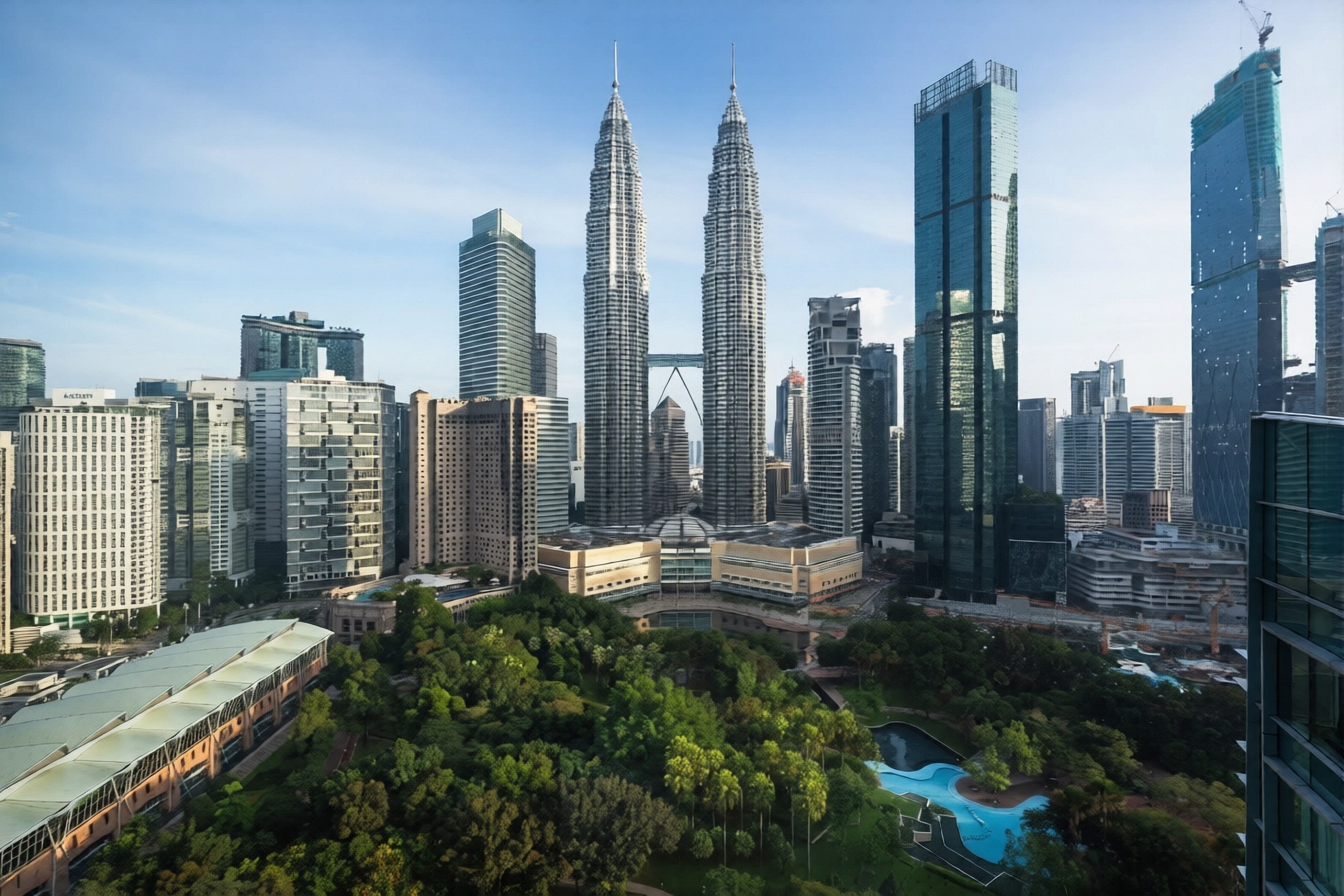
Bring one leader. Or align the whole team.
Institutional delegation pricing is designed to make cross-functional participation practical and to increase the value of implementation after the programme.
| Delegation | Per delegate | Participation | Terms |
|---|---|---|---|
| Individual Executive | US$2,500 | One delegate | One delegate. Full three-day executive programme. |
| Institutional Delegation | US$2,000 | 2–4 delegates | Per person for 2–4 delegates. |
| Transformation Team | US$1,500 | 5 or more delegates | Per person for 5 or more delegates. |
Translate attendance into an institutional case.
Estimate the financial value required for this programme to pay back its participation cost. This is a planning tool, not a promise of financial return.
Illustrative only. Actual organisational outcomes depend on implementation, authority, context and the assumptions entered above. HIGHpro does not guarantee financial returns.
Leave your edition with a transformation blueprint.
Clear accountability. faster decisions. stronger cross-functional execution. measurable progress on workforce, automation and control-tower capability.
From insight → to institutional execution
Built around institutional realities.


Integrated Multimodal Operating Models & Network Control
Integrated multimodal operating models and network control
Explore programme →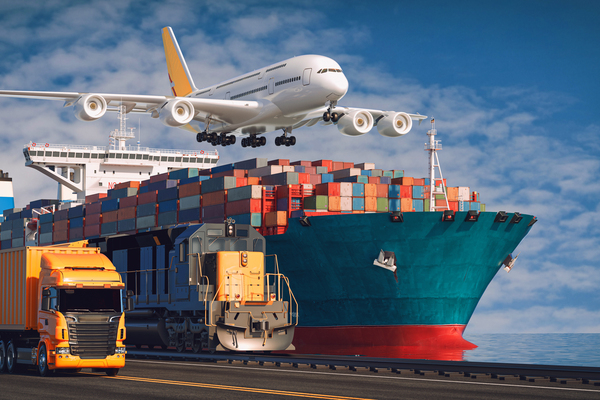
Integrated Mobility & Transport Operating Model
Fragmented multimodal transport governance
Explore programme →The questions executives ask first.
Answered from this programme's own terms: who it is for, how it runs, what it leaves you with, what it costs and when it is delivered.
Turn interest into an executive decision.
Nominate yourself, reserve places for your leadership team, or request an institutional proposal for a larger delegation.